Practice Group / Labor & Employment
Our Labor and Employment team is experienced in all aspects of employment law, labor relations and employee benefits. We stay on top of federal and state developments, helping employers to understand and manage an increasingly complex range of workplace legal issues in private and public sector business, as well as not-for-profit organizations.
Understanding labor / serving your needs
We offer a full range of services to employers, including:
- Counseling employers on how to handle: recruitment, screening, hiring, wage and hour compliance situations, workplace discrimination, workplace safety, family leave, employee misconduct, employee privacy, drug and alcohol policies, employee benefits, restrictive covenants, data breach, workplace violence, and employee discipline and termination
- Drafting and reviewing employee handbooks, employment contracts, collective bargaining agreements, employee benefit policies, social media policies and restrictive covenant agreements
- Defending against workplace claims including: employment discrimination, sexual harassment, wrongful discharge, retaliation, wage and hour and unfair competition claims
- Training managers and supervisors how to: prevent and properly address sexual harassment and other discrimination complaints; deal with the threat of workplace violence; manage attendance and leave policies; conduct internal investigations; and implement effective performance evaluation systems
- Assisting with: compliance audits, government investigations, proper record keeping, personnel file disclosures, employee benefit plan compliance issues, affirmative action plans, and responses to requests from government agencies, courts and attorneys
- Representing management in union campaigns and collective bargaining negotiations, as well as grievance and unfair labor practice hearings
Contact us today to discuss your specific needs
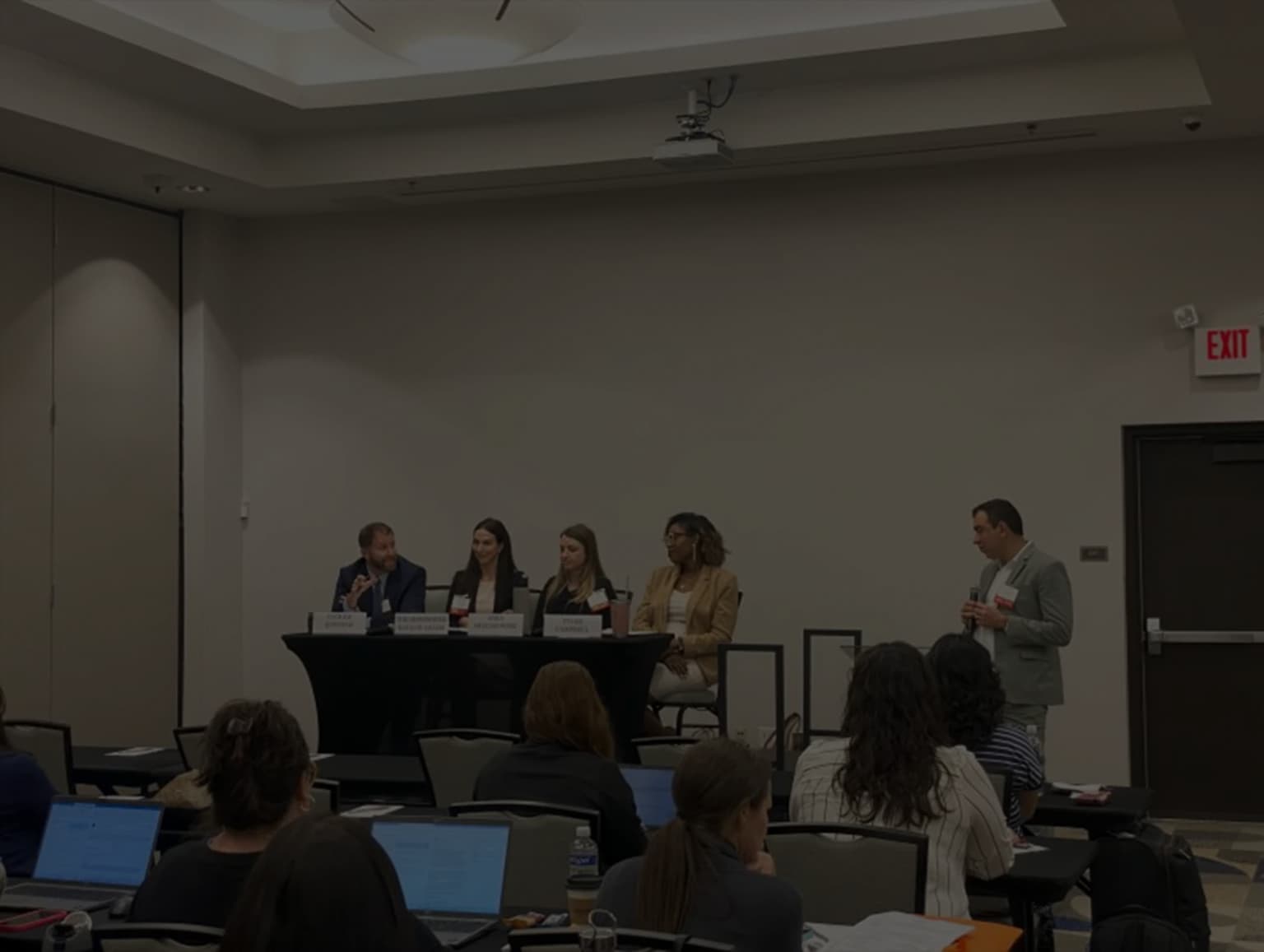

Events / webinars
Our Labor and Employment team hosts many events and webinars throughout the year. Visit our Event Page to see a current list.
Frequently Asked Questions
How can employers reduce the risk of employment lawsuits?
Employers can reduce legal risk by maintaining up-to-date policies, providing supervisor training, documenting performance and disciplinary issues, conducting prompt investigations of workplace complaints, and enforcing policies fairly and consistently.
Does my business need an employee handbook? Are they Legally binding in New Hampshire, Massachusetts, Vermont and Maine?
An employee handbook helps communicate workplace expectations, policies, benefits, and procedures. While not legally required as a matter of federal or state laws, a well-drafted handbook can inform employees about employer policies and procedures, reduce misunderstandings, support compliance efforts, and provide important protections when disputes arise. Also, if an employer has a handbook or manual, some laws (e.g. FMLA) require the inclusion of those policies in the handbook in addition to posting elsewhere. regularly to reflect changes in employment laws and employer practices.
How do I legally and safely terminate a difficult employee?
A defensible termination starts well before the final conversation. Employers should document performance issues consistently, apply policies uniformly across their workforce, and ensure the stated reason for termination, to the extent one is provided to the employee, is well-supported and free of any discrimination or other protected activity. Consulting an employment attorney before terminating an employee who has recently filed a complaint, taken leave, or raised legal concerns is certainly advisable.
Are non-compete agreements enforceable in New Hampshire, Massachusetts, Vermont and Maine?
The answer differs significantly by state. New Hampshire courts will enforce reasonable restrictive covenants that protect a legitimate business interest and are limited in duration and geography. Massachusetts has stricter standards, non-competes must be in writing, provided in advance of the hire or with other meaningful consideration, and cannot exceed one year. Maine has restrictions on which employees can be subject to restrictive covenants and the notice required to covered employees. Vermont has no statutory requirements on restrictive covenants. Instead they are judged on a case-by-case reasonableness basis. If your business operates in any of these states or employs workers across the border, you need agreements drafted with both jurisdictions in mind.
Practice Chairs

James P. Reidy
“We counsel clients on how to deal with difficult and time-sensitive workplace issues before they become claims – but if claims occur, we aggressively defend our clients in state and federal courts, as well as before administrative tribunals.”

Mark J. Ventola
“Education and counseling are cornerstones of our Labor & Employment practice. In this area of law, with ever-changing workplace laws and regulations, an ounce of prevention is worth a hundred pounds of cure."